
At a glance
The most memorable luxury trips aren’t the ones with the longest itineraries—they’re the ones designed with intention, pacing, and thoughtful timing. If you’re planning a big international trip, here’s what actually makes the difference.

If you’re planning a big international trip—whether it’s Italy, Africa, or a milestone celebration in Europe—it’s easy to focus on the visible pieces. The five-star hotel. The iconic landmarks. The hardest restaurant reservations to secure. Those details absolutely matter. But after years of designing custom luxury travel experiences, I’ve learned that they’re not what ultimately determines whether a trip feels seamless and unforgettable or simply busy and impressive.
You can do everything “right” on paper and still come home thinking, “That was great,” instead of, “That changed me.”
The difference is flow.
A trip that looks good on paper is efficient. It maximizes must-sees. It optimizes logistics. It ensures you don’t “miss” anything important. It often includes the highest-rated hotels and the most recommended tours. It’s organized, polished, and logical. It’s also exactly the kind of itinerary a search engine—or AI—can assemble in seconds.
AI travel planning tools can research destinations, list top luxury hotels in Florence, suggest restaurants in Rome, and map out a day-by-day route across multiple cities. The result can look beautiful and comprehensive. But organizing information is not the same as designing an experience.
What those tools can’t account for is rhythm. And rhythm is what separates an impressive trip from an unforgettable one.
The trips that feel incredible aren’t necessarily the ones with the most packed into them. They’re the ones that move well. They build energy gradually instead of stacking every highlight back to back. They consider how a traveler will feel after a long-haul flight. They leave space to linger in a café instead of racing to the next reservation. They recognize that emotional fatigue is real—even in beautiful places.
Flow is the invisible layer of thoughtful luxury travel planning. It’s choosing a hotel in the right neighborhood so you’re not crossing the city twice in one day. It’s building in a lighter afternoon after a private guided tour. It’s knowing when a private driver elevates the experience and when wandering allows you to connect more deeply. It’s ending a high-energy stretch of a trip with something slower and restorative instead of heading straight from a packed itinerary to the airport.
Sometimes great design looks like adding something extraordinary. Often, it looks like removing something tempting.
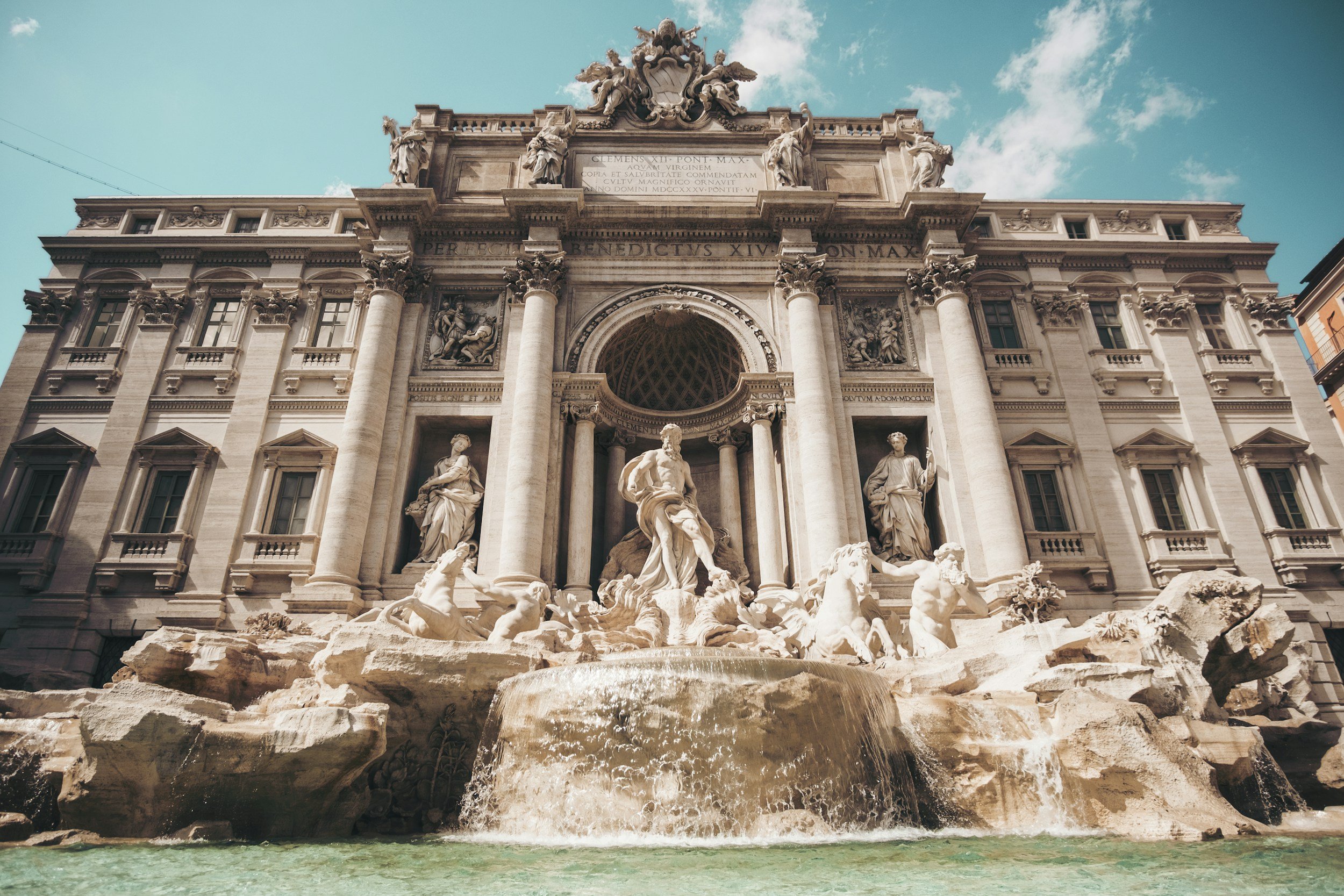
I recently worked with a couple planning a trip to Italy. Their initial vision included multiple cities—Florence, Rome, and the coast—with every iconic highlight woven together. On paper, it was exactly what many travelers imagine when planning an Italy itinerary. But when we stepped back and examined the pacing, it felt tight. Too many transitions. Too much movement. Not enough space to savor.
So we restructured the trip. We added more time in the countryside. We reduced hotel changes. We created slower mornings and longer evenings. Instead of maximizing how much they could see, we focused on how they wanted to feel.
They also chose to travel in May rather than peak summer. That one decision elevated the entire experience. The cities felt more breathable. Reservations were easier. The overall energy was softer and more present. Timing, as it turns out, is not just a logistical decision—it’s a design decision.
When they returned, they didn’t talk about how many landmarks they checked off. They talked about the intimate cooking class that felt unrushed. The tucked-away restaurant that felt like a true local gem. The way the trip allowed them to live la dolce vita instead of chase it.
That is what thoughtful pacing does.

Season plays a much bigger role in custom travel design than most people realize. The version of Italy in May is not the same as Italy in July. The Amalfi Coast in October carries a completely different energy than August. A safari in Africa depends heavily on timing, migration patterns, and regional rhythms. Crowds, staffing, weather, and availability all shape how a destination feels—not just how it looks.
When timing and pacing align, a trip feels effortless. When they don’t, even a beautiful place can feel overwhelming.
This is also where the conversation about AI in travel often gets simplified. AI is a powerful tool. I use it regularly in my business to organize research and streamline communication. But it cannot read a room. It doesn’t sense when a traveler will hit emotional fatigue on day four. It doesn’t intuit that adding one more city might dilute the experience instead of enhance it. It doesn’t understand that your version of luxury might mean space, not spectacle.
Speed is not the same as discernment. And great travel design requires discernment.
If you have limited time off, invest significantly in travel, and care about how the experience feels—not just how it photographs—then flow matters more than features. The goal isn’t to see everything. The goal is to experience something deeply enough that it stays with you.
A beautiful trip is easy to assemble. An incredible one is carefully composed. That’s the difference between planning and design.
If you’re thinking about a milestone trip, fall Europe, or a long-awaited international journey, the most valuable question isn’t “What should we add?” It’s “How should this feel?” From there, everything else aligns.
Frequently Asked Questions
What makes a luxury trip feel seamless instead of stressful?
Seamless luxury travel comes down to pacing, thoughtful routing, and aligning the season with the experience you want. It’s less about stacking highlights and more about designing rhythm so you’re not exhausted halfway through your trip.
How important is timing when planning a big international trip?
Timing is critical. The same destination can feel completely different depending on the season. Shoulder seasons like May or October often offer better pacing, availability, and overall experience than peak summer months.
Can AI plan a luxury trip effectively?
AI can help organize information and generate ideas, but it cannot design flow. It doesn’t anticipate emotional fatigue, personality preferences, or subtle tradeoffs that impact how a trip feels. Human discernment remains essential in high-level travel design.
How far in advance should I start planning a custom trip to Europe or Africa?
For thoughtfully designed luxury travel—especially during peak seasons—planning 6–12 months in advance provides the most flexibility and access to top properties, guides, and ideal routing.
If this way of thinking about travel design resonates, you might also enjoy exploring a few related posts:
How to Plan a Seamless Luxury Safari in Africa
Why Shoulder Season Is the Best Time to Visit Europe
How to Design an Italy Itinerary That Actually Feels Relaxed