
At a Glance
Discover the charm of Italy in winter, when iconic cities, alpine escapes, and coastal towns offer a quieter, more authentic experience. This guide highlights the best destinations, seasonal tips, and luxury travel insights for exploring Italy’s beauty beyond the summer crowds and quieter months.
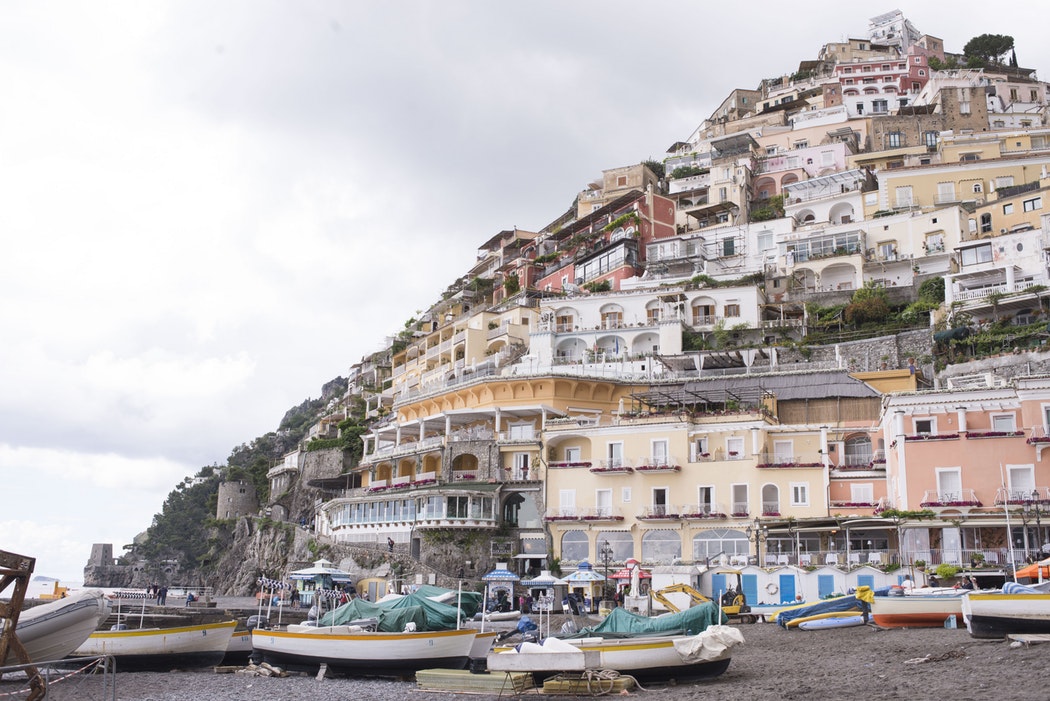
Italy may be best known for its summer allure—sun-soaked coastlines, alfresco dining, and countryside villas—but winter in Italy reveals a different kind of magic. The crowds are gone, the light is softer, and the atmosphere feels more authentic. From festive cities to snow-covered alpine escapes, winter is the perfect season for travelers seeking slower rhythms, rich culture, and cozy luxury.
Why Visit Italy in Winter
Winter in Italy offers travelers something rare: space and stillness. It’s a time to linger longer, connect deeper, and experience local life without the rush of high season.
Here’s what makes it special:
Fewer crowds at major landmarks like the Colosseum, Uffizi Gallery, and Vatican Museums.
Lower hotel rates and more availability at top properties.
Local authenticity, as Italians reclaim their towns after the busy summer.
Seasonal cuisine, from truffle dishes in Piedmont to hearty pastas in Tuscany.
💡 Luxury Tip: Many 5-star hotels and villas offer exceptional winter promotions—perfect for extended stays or private experiences that feel even more exclusive.

Best Places to Visit in Italy During Winter
1. Rome: History Without the Crowds
Winter is one of the best times to experience Rome. The city’s grand monuments, piazzas, and museums can be enjoyed at your own pace, without summer’s long lines and heat.
Visit the Vatican Museums or St. Peter’s Basilica with ease.
Explore charming neighborhoods like Trastevere and Monti, where locals linger over espresso rather than tourists snapping photos.
Enjoy seasonal dishes like cacio e pepe and artichokes alla romana* paired with a glass of red wine.
2. Florence & Tuscany: Art, Wine, and Fireplaces
Winter in Florence feels intimate. You can stand before Michelangelo’s David or Botticelli’s Birth of Venus without crowds—and afterward, warm up with a cappuccino in Piazza della Repubblica.
Beyond the city, Tuscany shines in its quiet season: rolling hills dusted with mist, vineyards at rest, and cozy countryside stays that feel deeply personal.
💡 Traveler Insight: Visit in February or March for fewer tourists and truffle festivals across the region.
3. Venice: Misty Magic and Timeless Romance
Venice in winter feels like a painting come to life—mist rising over canals, echoing footsteps on quiet bridges, and locals wrapped in wool coats chatting over espresso.
Stay in a canal-front palazzo and enjoy the city at its most serene.
Visit during Carnival (Carnevale di Venezia) in February for a burst of color and tradition.
Don’t miss cozy afternoons at Caffè Florian in St. Mark’s Square.
4. The Dolomites: Italy’s Winter Wonderland
For those seeking snow, skiing, and mountain luxury, the Dolomites are unmatched. Think world-class slopes, Michelin-starred alpine dining, and indulgent spa hotels surrounded by dramatic peaks.
Top spots include:
Cortina d’Ampezzo – Italy’s chic ski capital.
Val Gardena – Known for its scenic beauty and accessible slopes.
Alta Badia – Home to the Dolomites’ finest gourmet mountain huts.
5. Milan: Fashion, Food, and Festivities
Winter in Milan is elegant and festive, especially around the holidays. The city glows with lights and seasonal markets, and post-Christmas sales make it a dream for shoppers.
Explore Galleria Vittorio Emanuele II for upscale shopping.
Visit Teatro alla Scala for an opera performance.
Enjoy hearty northern dishes like risotto alla milanese or osso buco.
6. Sicily: Mild Weather and Cultural Depth
Sicily stays pleasantly mild in winter—ideal for exploring ancient ruins, seaside towns, and incredible food without the heat.
Visit Palermo’s markets, Taormina’s Greek Theatre, or Mount Etna for off-season hikes.
Savor arancini, fresh seafood, and local wines in quiet seaside trattorias.
💡 Travel Advisor Tip: Combine Sicily with Rome or Florence for a winter itinerary that balances city life with coastal charm.

Frequently Asked Questions
Is Italy worth visiting in winter?
Absolutely. You’ll experience fewer tourists, better hotel rates, and a more relaxed pace—plus the food and wine are incredible this time of year.
Does it snow in Italy?
Yes, particularly in the north (Alps and Dolomites). Cities like Rome and Florence rarely see snow but can get crisp winter days perfect for sightseeing.
What should I pack for a winter trip to Italy?
Pack layers: a warm coat, scarf, and waterproof shoes. Italians dress stylishly even in winter, so opt for classic neutrals and polished outerwear.
Are shops and restaurants open during winter?
Yes—most stay open year-round, except for a few coastal or resort areas that close for the season.
The Bottom Line
Italy in winter offers something truly special: a quieter, more personal version of one of the world’s most beloved destinations. Whether you’re sipping red wine by a Tuscan fireplace, gliding through a misty Venetian canal, or skiing in the Dolomites, this is Italy at its most intimate—and perhaps, its most magical.
Feel like this kind of travel is calling your name? Complete our Trip Design Form and let’s start planning something personal, seamless, and extraordinary.
Explore more stories, tips, and ideas to inspire your next adventure:
🔗 7 Reasons to Visit Puglia, Italy
🔗 What to Pack for a Trip to Europe
And for the latest official travel guidelines, check out:
🔗 Italian National Tourist Board – Official Website