
Picture two safari mornings.
In the first, you're up before sunrise and in line when the park gate opens. Someone spots a leopard in a tree. By the time you get there, a dozen other jeeps have the same idea. Everyone stays on the road. The leopard is behind a bush. You get a great look at the vehicle in front of you.
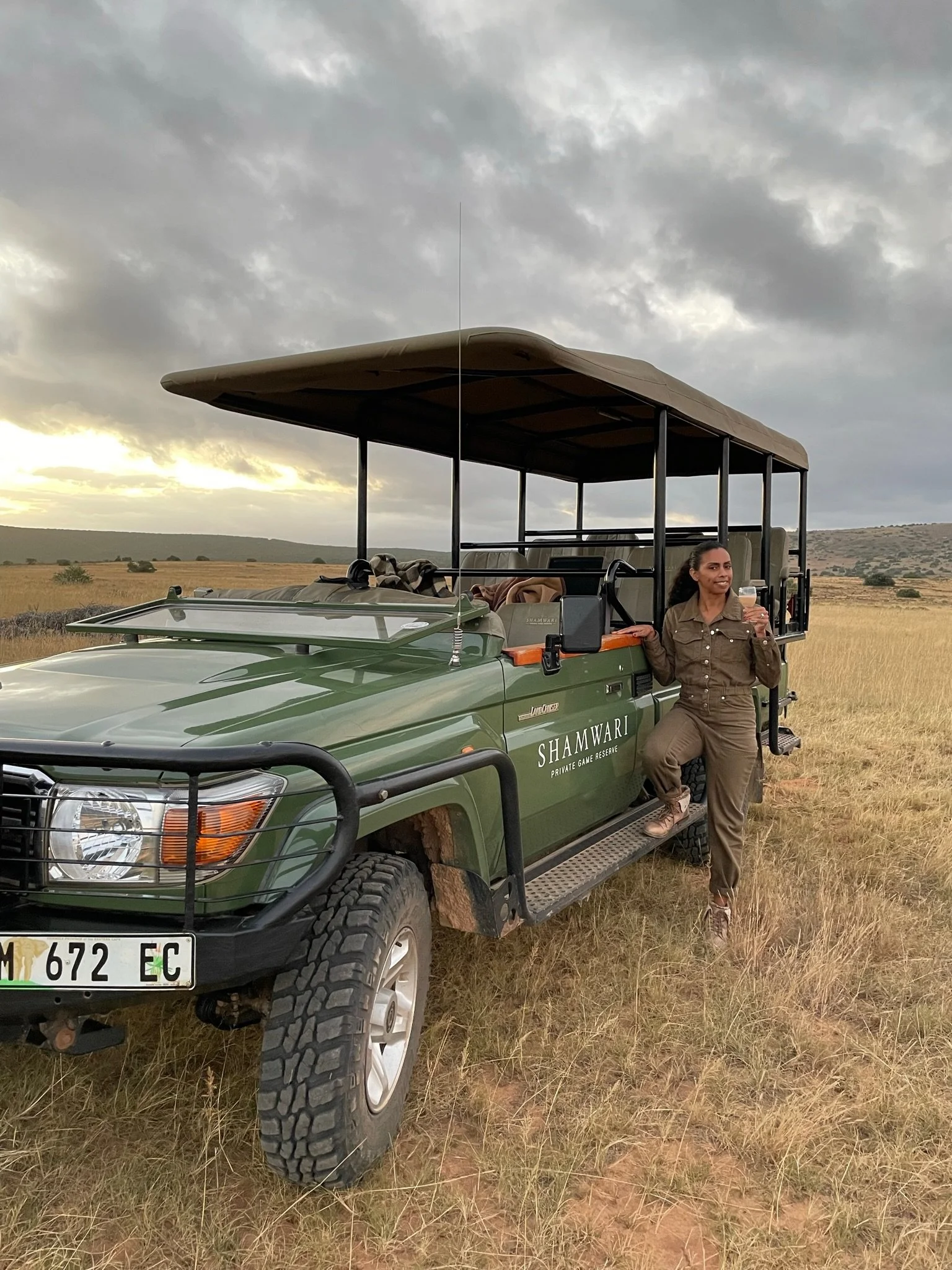
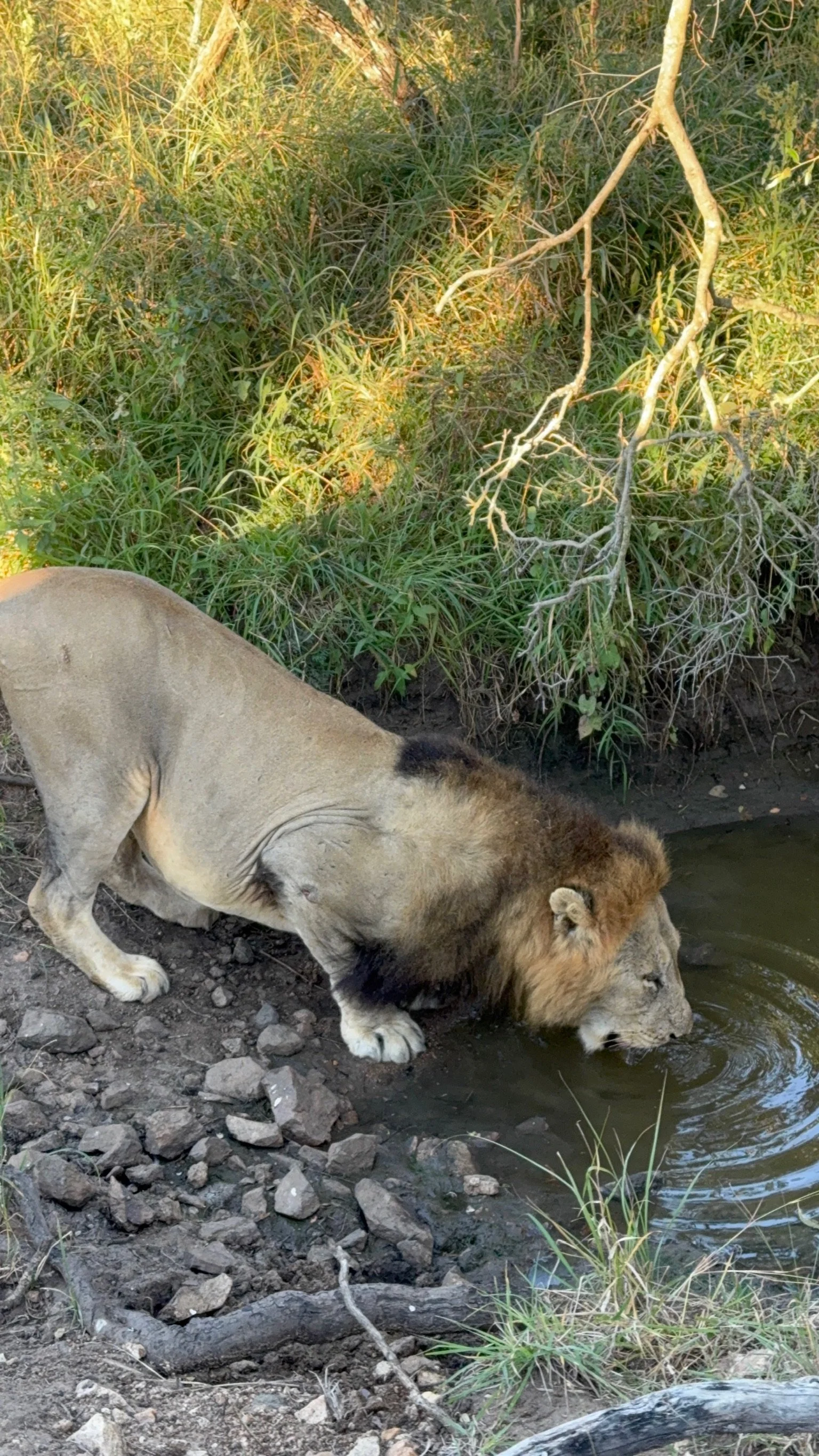
In the second, it's the same leopard. Your guide leaves the road, and you get a clear view. Two other vehicles are there, not twelve. You stay as long as the leopard does.
Same animal. Completely different safari. And it's the part nobody puts in the lodge photos.
Most people shopping for a safari compare rooms. The tent, the pool, the bathtub with a view. I get it. Safari lodges are my favorite place to stay in the world, and even a tented camp is the highest form of luxury.
But the room is where you sleep. The safari is everything between sunrise and dinner. So here's what actually changes on private land.
The short answer
On a private reserve or concession, fewer vehicles share each sighting, your guide can usually leave the road, and the day isn't run by park gate times. In a national park, none of that is guaranteed. The animals are often the same. The day is not.
What is the difference between a national park, a private reserve, and a concession?
Three names, and they get mixed up constantly.
A national park is government-run land that's open to the public. Drives stay on the road. Kruger in South Africa is the best-known example.
A private reserve is privately owned land, often right next to a national park. The Sabi Sand and Thornybush are private reserves in the Greater Kruger area. Only guests staying at the lodges get in.
A concession is land an operator leases from a government or a community. You'll hear the word most in Botswana, Zambia and Zimbabwe. In Kenya, the similar idea is called a conservancy.
The names change by country. The idea is the same. Fewer people on the land, and more freedom for your guide.
How many vehicles will be at a sighting?
This is the big one. Africa Geographic says popular sightings in Kruger National Park can draw 10 to 20 vehicles or more. Private reserves in the Greater Kruger area typically cap it at two or three. Dulini's own listing says three per sighting.
Small detail, big impact: that number is set by the reserve and the camps that share it. It's different everywhere. Ask each camp what its limit is and who else is sharing the sighting.
Even a cap of three isn't perfect. Dulini itself notes it can mean waiting your turn. It's still a different morning than a row of jeeps.
Can guides drive off-road?
On most private reserves, yes. That's how the second morning happens. Your guide follows the animal instead of the road, so you get a clear view instead of the back of a bush. In a national park, you stay on the road.
Rules vary by property, so think "usually," not "always."
What about night drives and walking safaris?
Private reserves like the Sabi Sand and Thornybush include night drives and guided walks. Kruger National Park offers both only as guided outings with park rangers, usually at an extra cost.
Night drives are interesting. They're not the part I'd build a trip around. A walking safari is another story in the right place. In Zambia or Botswana, you get close to the bush in a way a vehicle never allows.
Will I see more animals on private land?
Not necessarily, and I'd be wary of anyone who promises it. Greater Kruger private reserves share open borders with the national park, so the wildlife moves between them. What changes is how long you stay with an animal, how close you get, and how many other jeeps are in the frame.
Is a national park ever the better choice?
Yes. It costs far less. Africa Geographic puts Kruger's rest camps at roughly $50 to $300 per person per night, versus $450 and up on private land. And some things only exist in a park, like the Serengeti's migration river crossings.
You don't have to pick one. Some trips use a park for scale and private land for the day-to-day guiding.
What should I ask before booking a safari camp?
Here's the plan. Pick the land first, then the room you love. When I compare camps for a client, these are the questions I start with:
Is it a national park, a private reserve, or a concession?
How many vehicles are allowed at a sighting, and who shares the reserve?
Can guides go off-road?
Are night drives and walks included, or an extra cost?
How many guests share a vehicle?
Where does my money go?
Part of what you pay on private land goes toward lease fees, anti-poaching work and local jobs. It's not why you pick a camp. It's a good reason to feel fine about the price.
Love the lodge. Just ask what your day looks like before you book it.
Was this helpful? If you’d like to receive monthly trip ideas, sign up for my monthly newsletter here. If you’re ready to plan your safari trip, let’s talk.