
A 9-day Tokyo, Hakone and Kyoto itinerary works best as three nights in Tokyo, one in Hakone and four in Kyoto, with your luggage forwarded ahead. The one change we would make: skip the Hakone sightseeing loop, take a later train, and spend the afternoon in a ryokan robe.
Japan has become one of the places my clients keep traveling to. It started climbing about three or four years ago, and we have now planned more Japan trips in the last handful of years than in all the time before. The country agrees: Japan welcomed about 42.7 million foreign visitors in 2025, up from about 31.9 million in 2019.
So in November, my team and I went to see it for ourselves. We built the route we would build for a client, then paid attention to where we were tired, where we were happy, and where we wished we had done something different. This is that debrief.
Tokyo, 3 nights: pick your neighborhoods
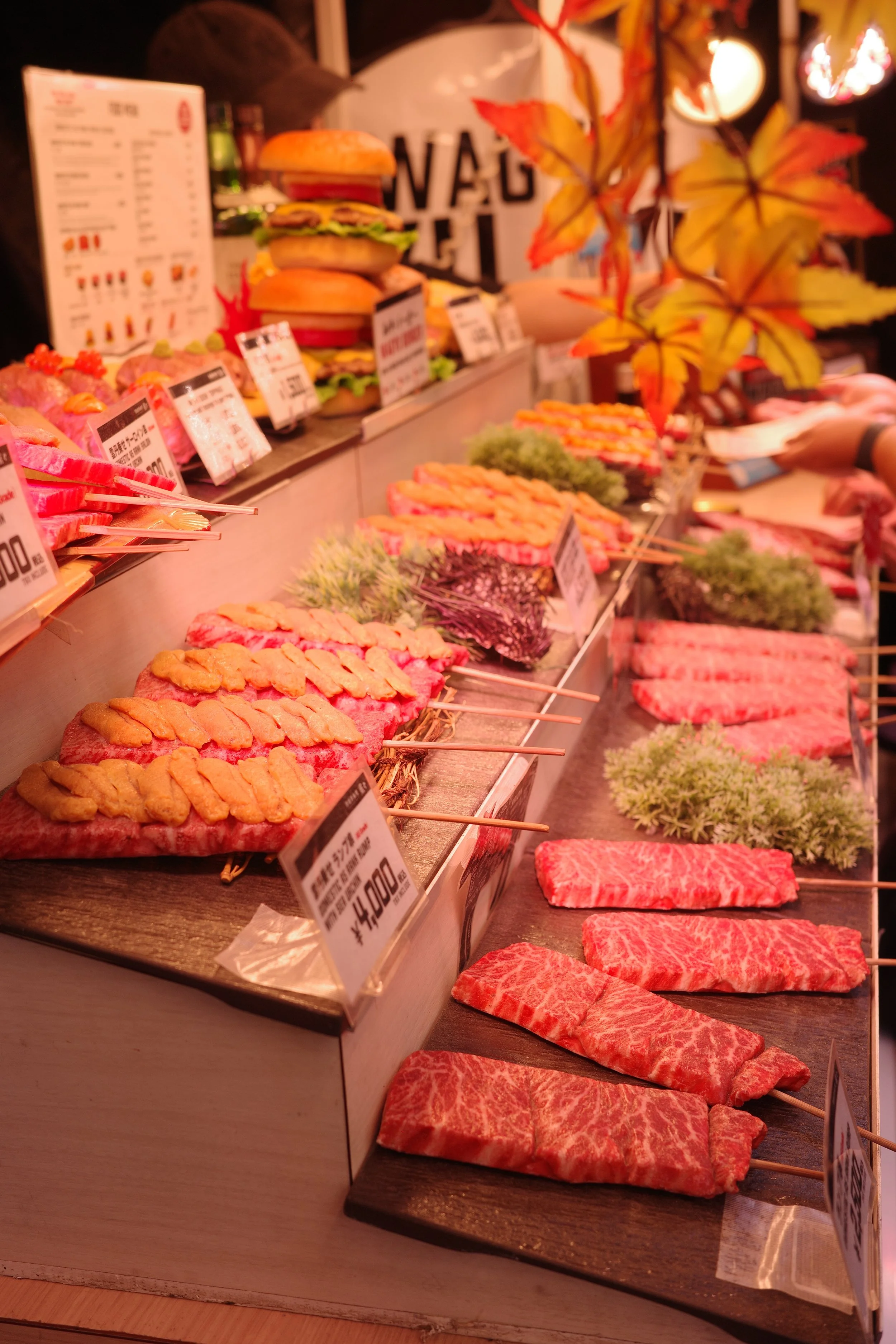
I do not like full-day tours, and I like them least on the first full day of a trip. Ours was a full day with a guide, and by the afternoon I had hit a wall.
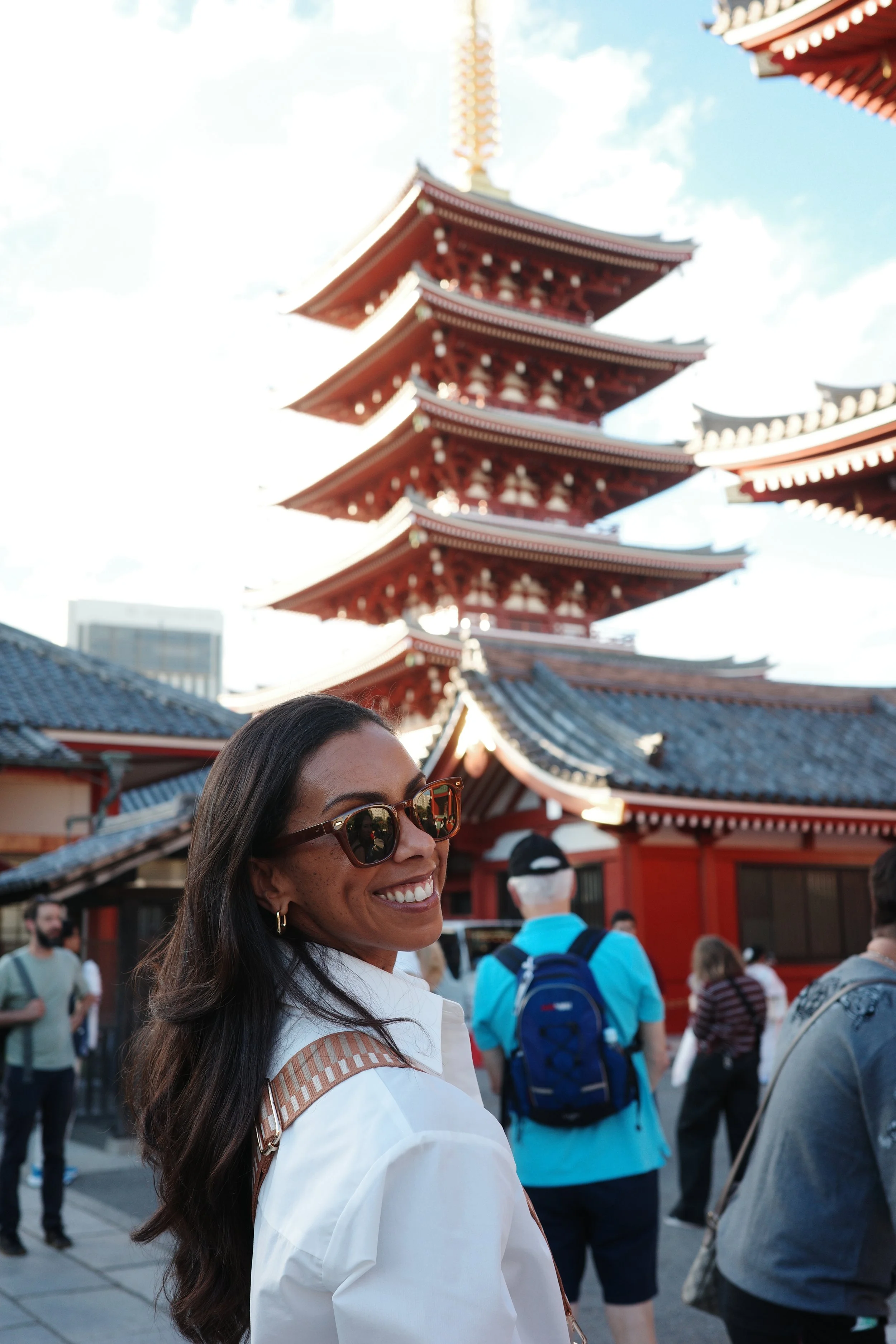
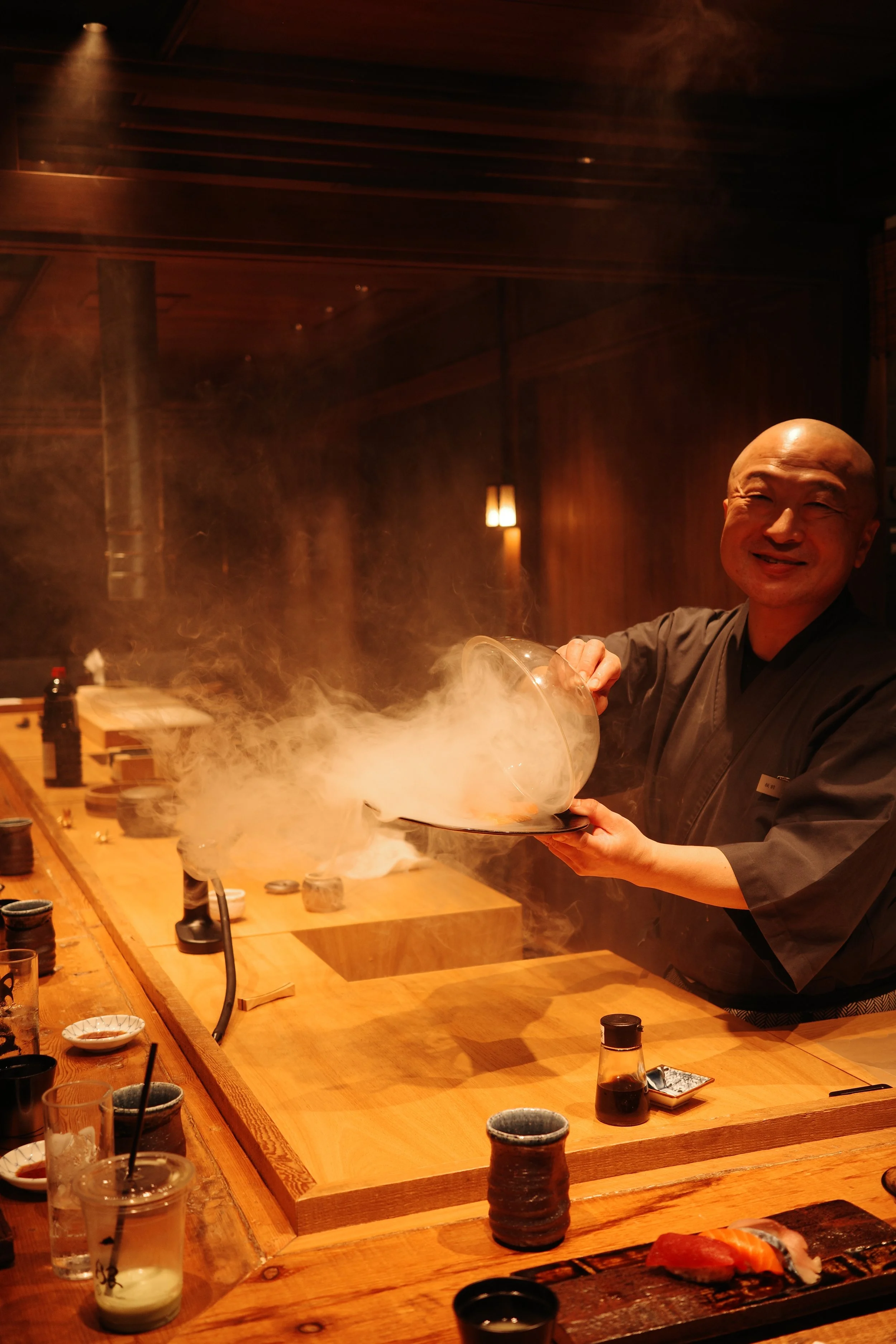
The guide took us to Tsukiji Outer Market, where we wandered the stalls. Then came a private sushi-making class at a restaurant nearby, and it was one of our favorite experiences of the whole trip. It was the best sushi I had in all of Japan, and the chef was hilarious and so engaging that we just had a great time. In the afternoon we walked around Asakusa and Senso-ji. It is an important area if you love temples and shrines, and I wanted a quick look, not a long stay.
I still recommend a guide on the first day of a trip. A guide helps you get the lay of the land, makes public transit less intimidating, and gives day one some structure. If I did it again, I would end the day after the sushi class and save the temples for another day, or make them optional on our own.
Another day was open for wandering. We started at Shibuya Crossing, mostly to check it off. It is fun, it is easy to fit in if you are nearby, and it takes about ten minutes. Then we wandered Cat Street for vintage shopping and independent boutiques, which is the kind of unplanned walking I like best in a big city.
Lunch was the best tonkatsu I had on the whole trip, at Tonkatsu Junchan, where you sit at one of two counters. I had tonkatsu several times in Japan. This one was not close.
Then we headed to Ginza, which is far more polished. It is where the luxury brands are, and anyone who loves high-end shopping will like it.
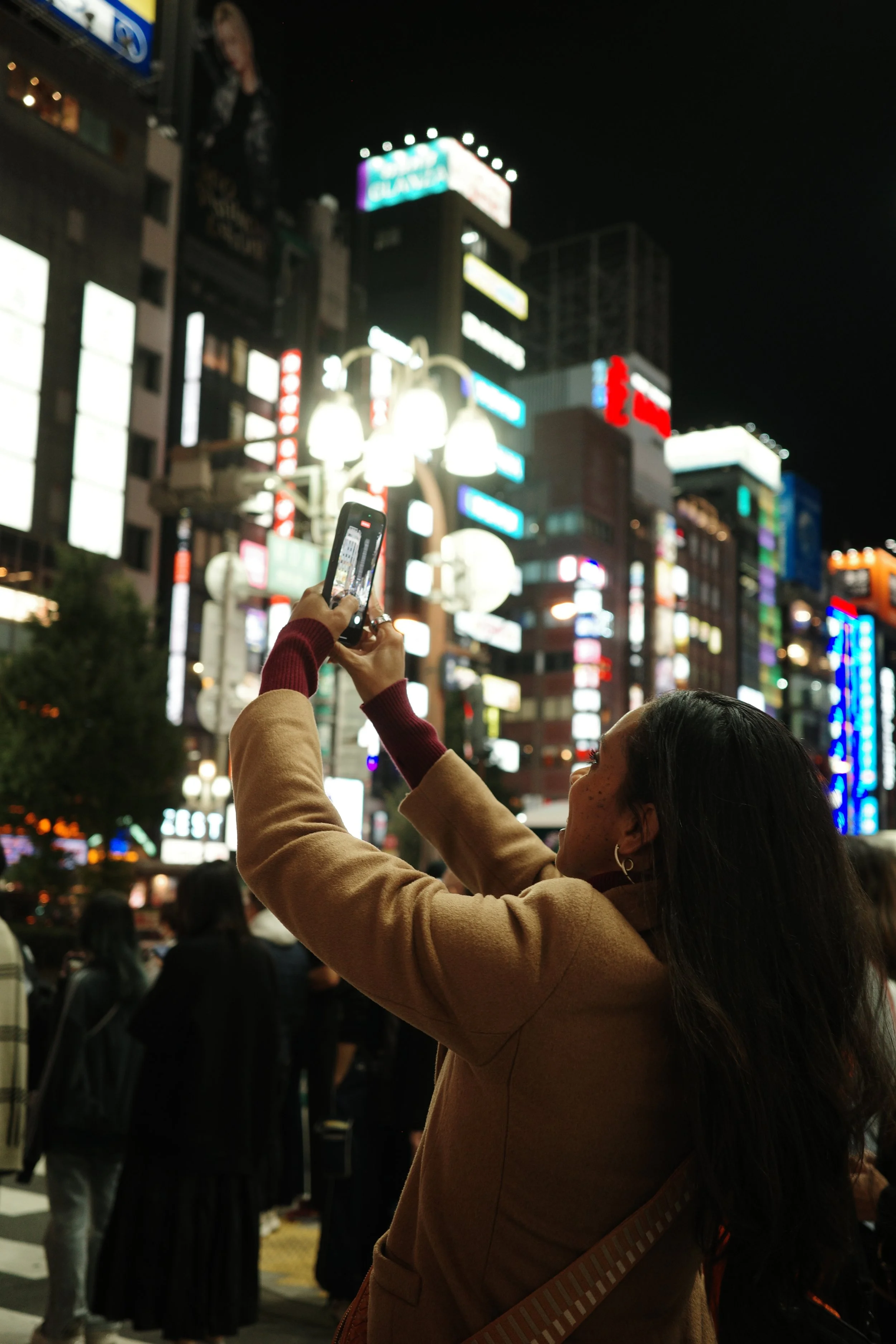
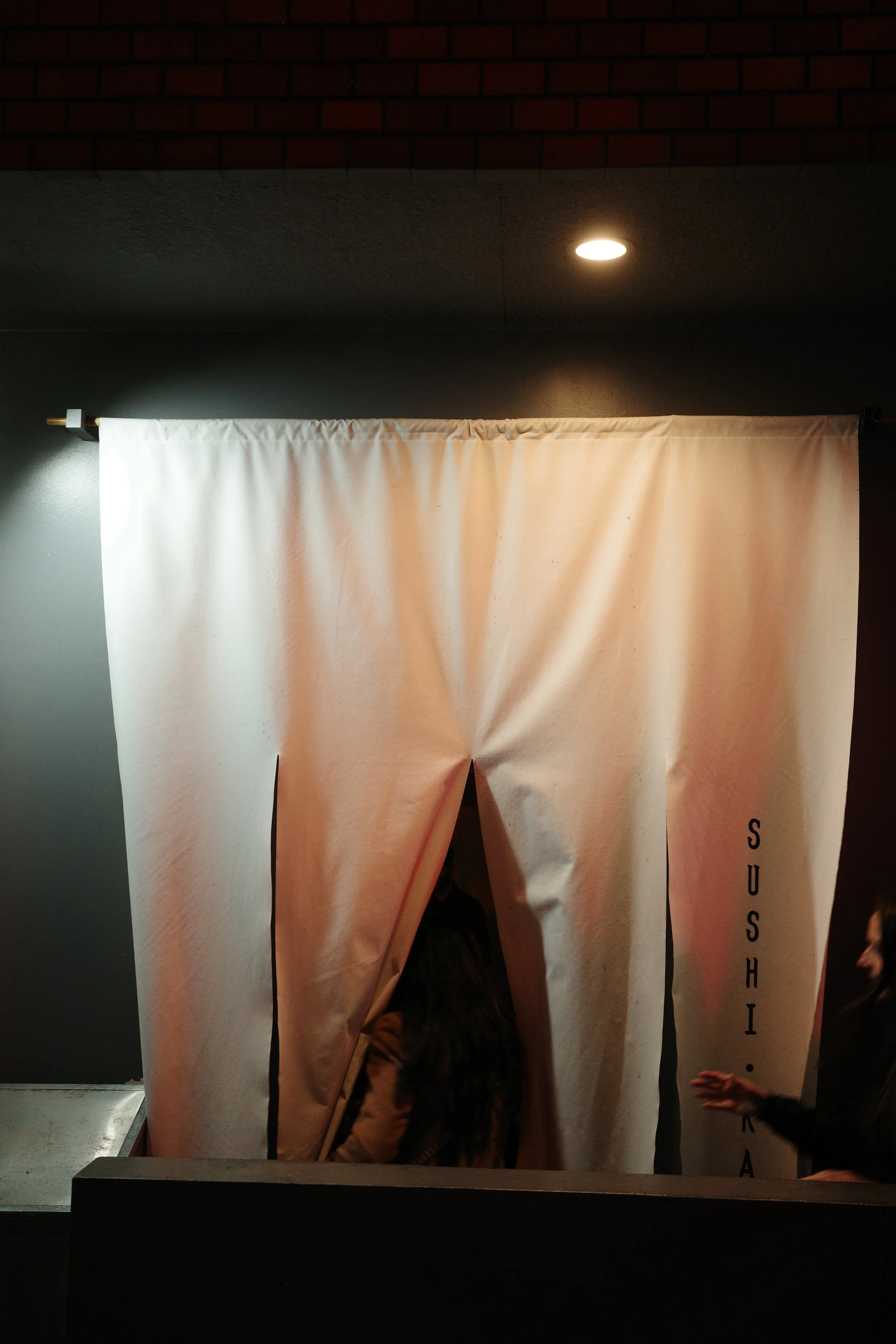
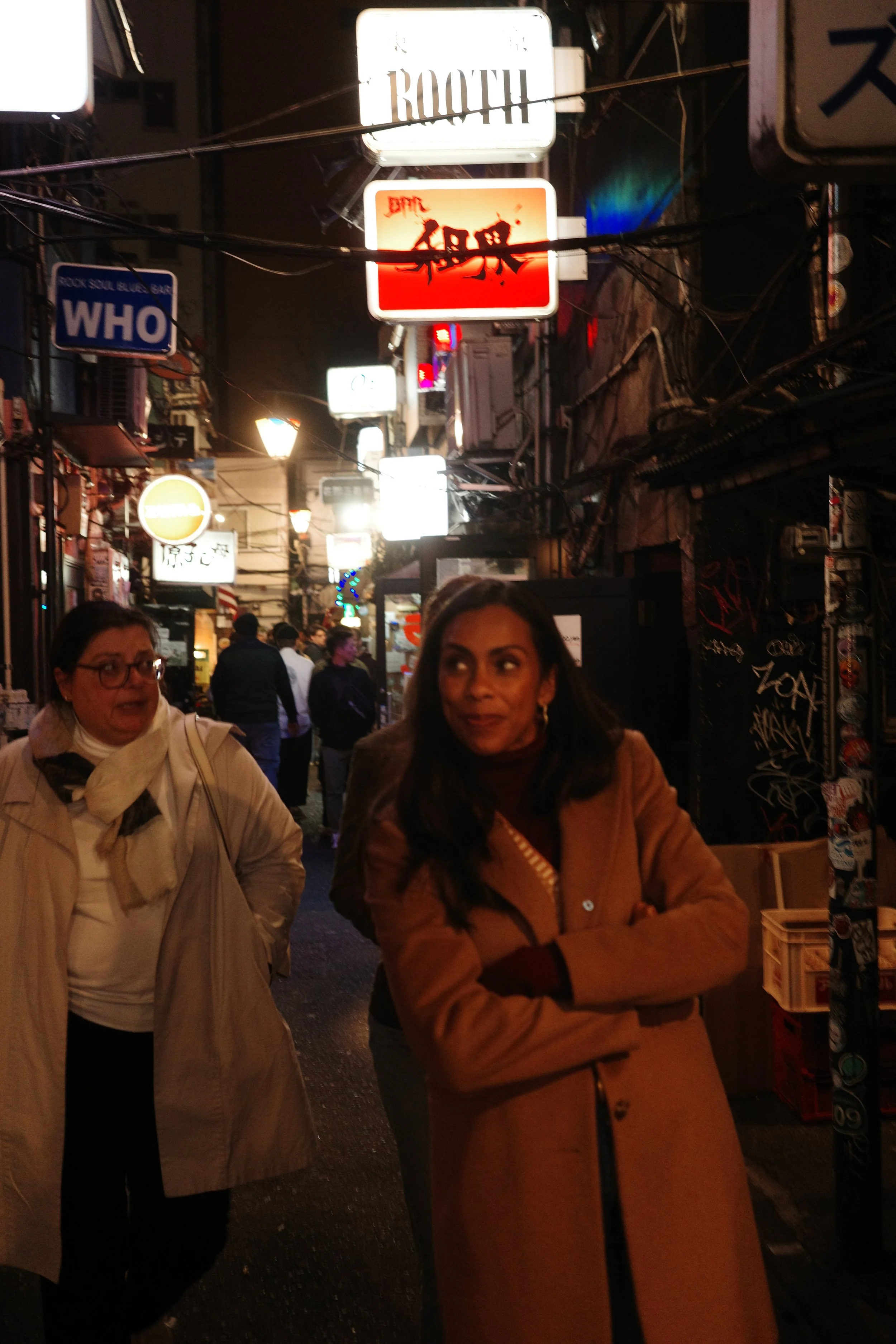
That night we did a small-group food tour in Shinjuku. I do like food tours, and this one was not for me. It could have been the neighborhood I chose, the guide, or both. Shinjuku after dark has a Times Square energy that is not my favorite, and the tour was two sit-down meals, one sushi and one wagyu. What I did love was Golden Gai, the lanes of tiny bars, and the yakitori alleys.
We stayed at Park Hyatt Tokyo, which I loved. It is a beautiful hotel, a little removed from the action.
Before we left Tokyo, we sent our bags ahead.
Hakone, 1 night: where I'd do less
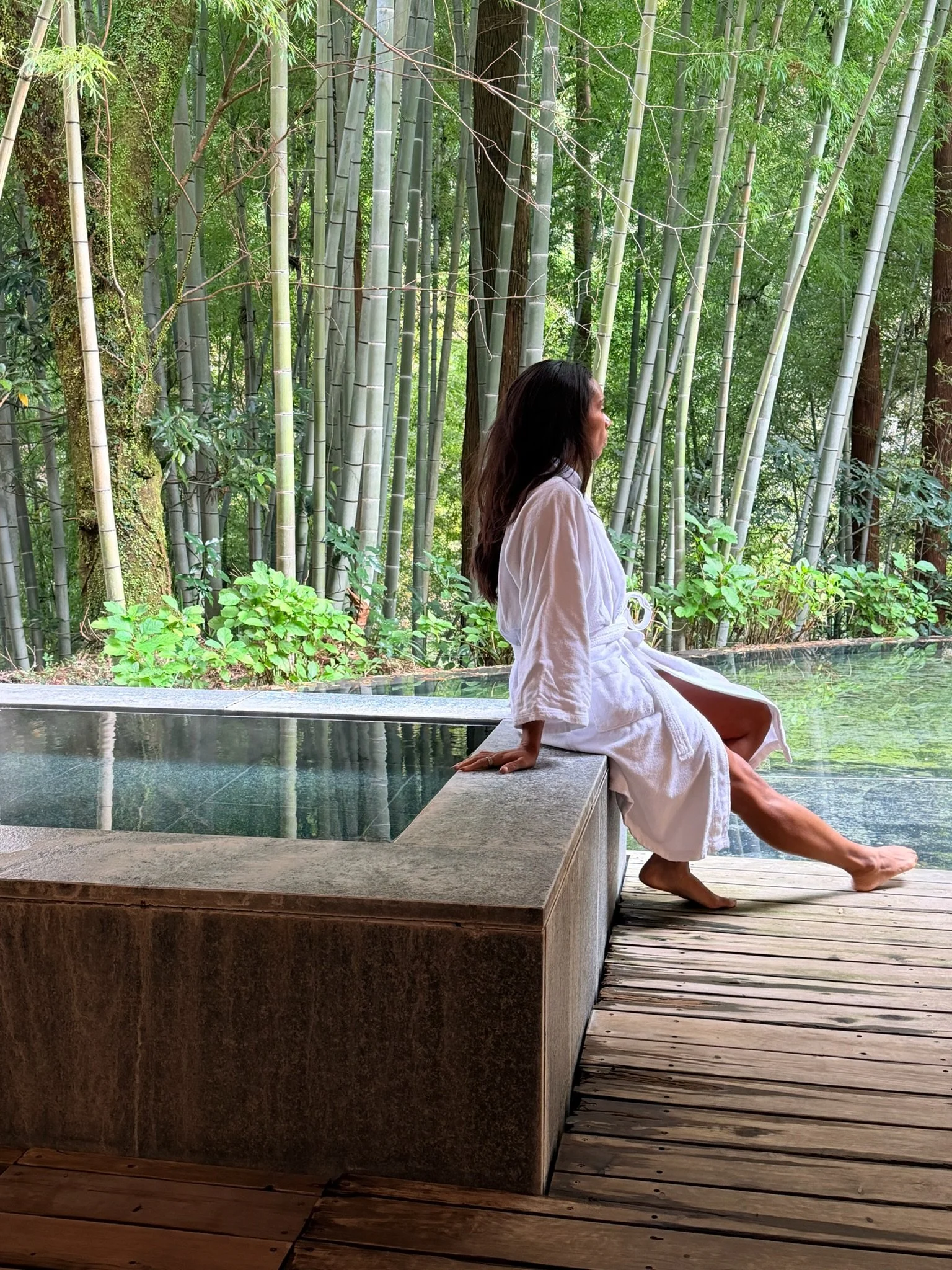
The next morning we forwarded our suitcases from Tokyo to Kyoto, and it was easy. Luggage forwarding usually costs 3,200 yen for a suitcase under 25 kg, and it is delivered within 1-2 days to your next destination. You need almost nothing for one night in a ryokan. They give you a robe, slippers, toiletries and hair ties.
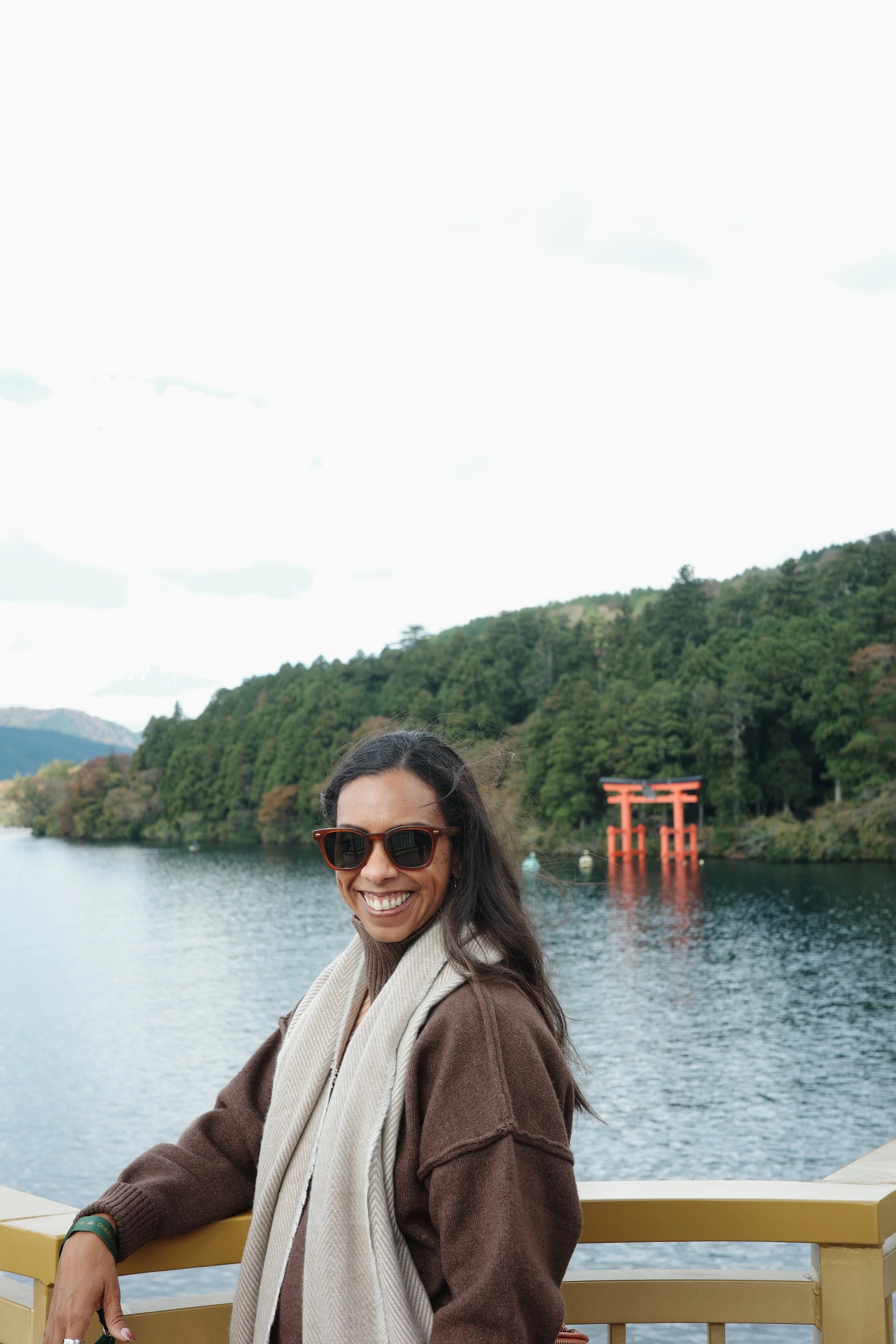
We took the train to Hakone and hired a driver, which I recommend over the bus because you move at your own pace. Then we did the Hakone loop: a few sightseeing stops, the Lake Ashi cruise with VIP tickets so we skipped the line, the ropeway, and the volcanic area.
We got lucky. It was crisp and cloudless, and Mount Fuji sat in plain view over the lake. That is hit or miss in Hakone, and a lot of days it is a miss.
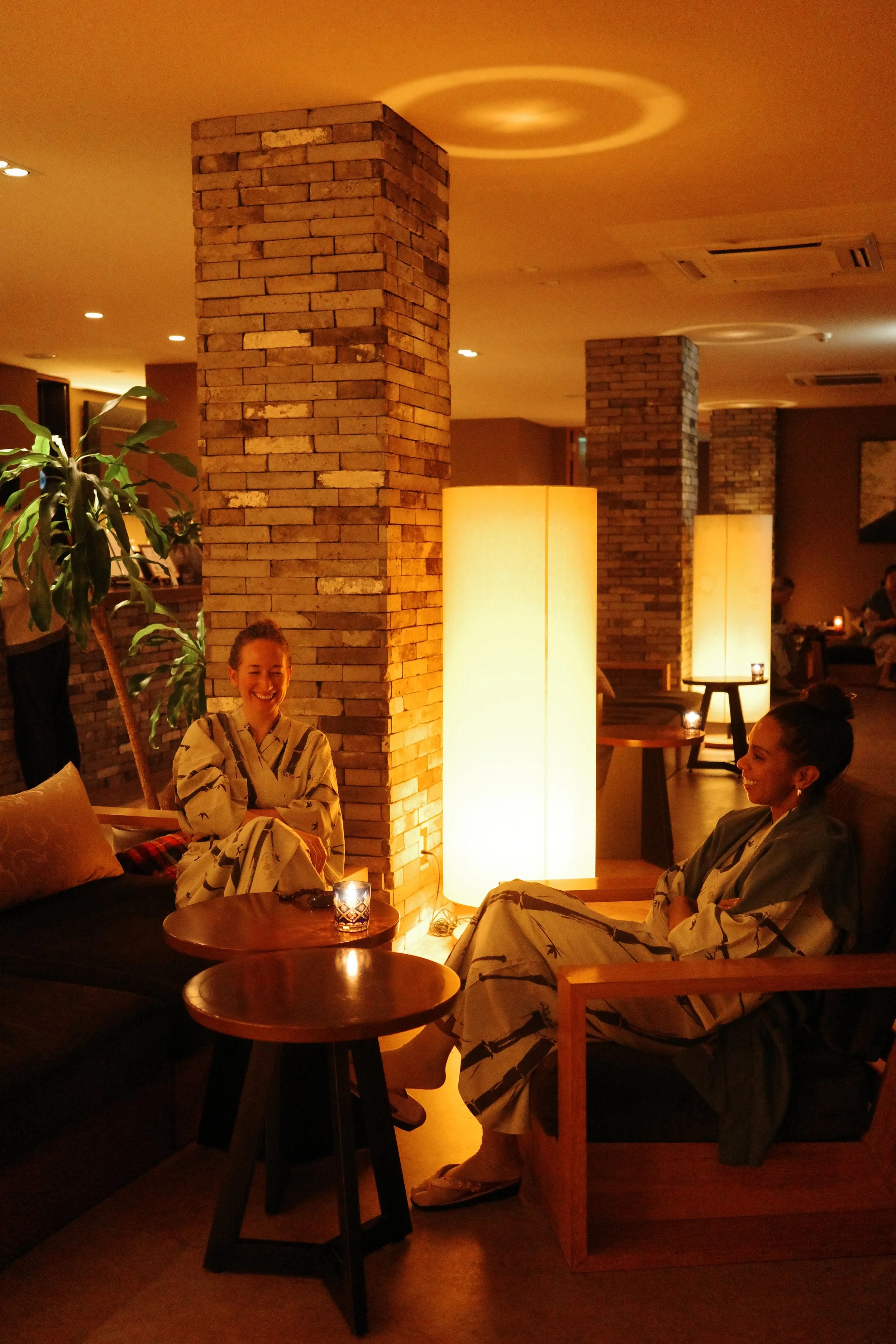
Here is the change. I would not do the loop again. After Tokyo's trains and crowds, with Kyoto still ahead, I did not want lines. I wanted to be in a robe, soaking. The volcano was interesting, and it helped me understand how the whole area works, but I do not think it is a must-do.
Next time I would take a slow morning in Tokyo and a later train. Then I would go straight to the ryokan, maybe take a short hike, and have a long kaiseki dinner. We stayed at Kinnotake, and we spent the night in robes, in and out of our private onsen.
The next morning we ate a long breakfast and rode the Shinkansen to Kyoto. It is quiet and comfortable, and I still think it is one of the best parts of traveling in Japan.
Kyoto, 4 nights: tea, geiko, and a day apart
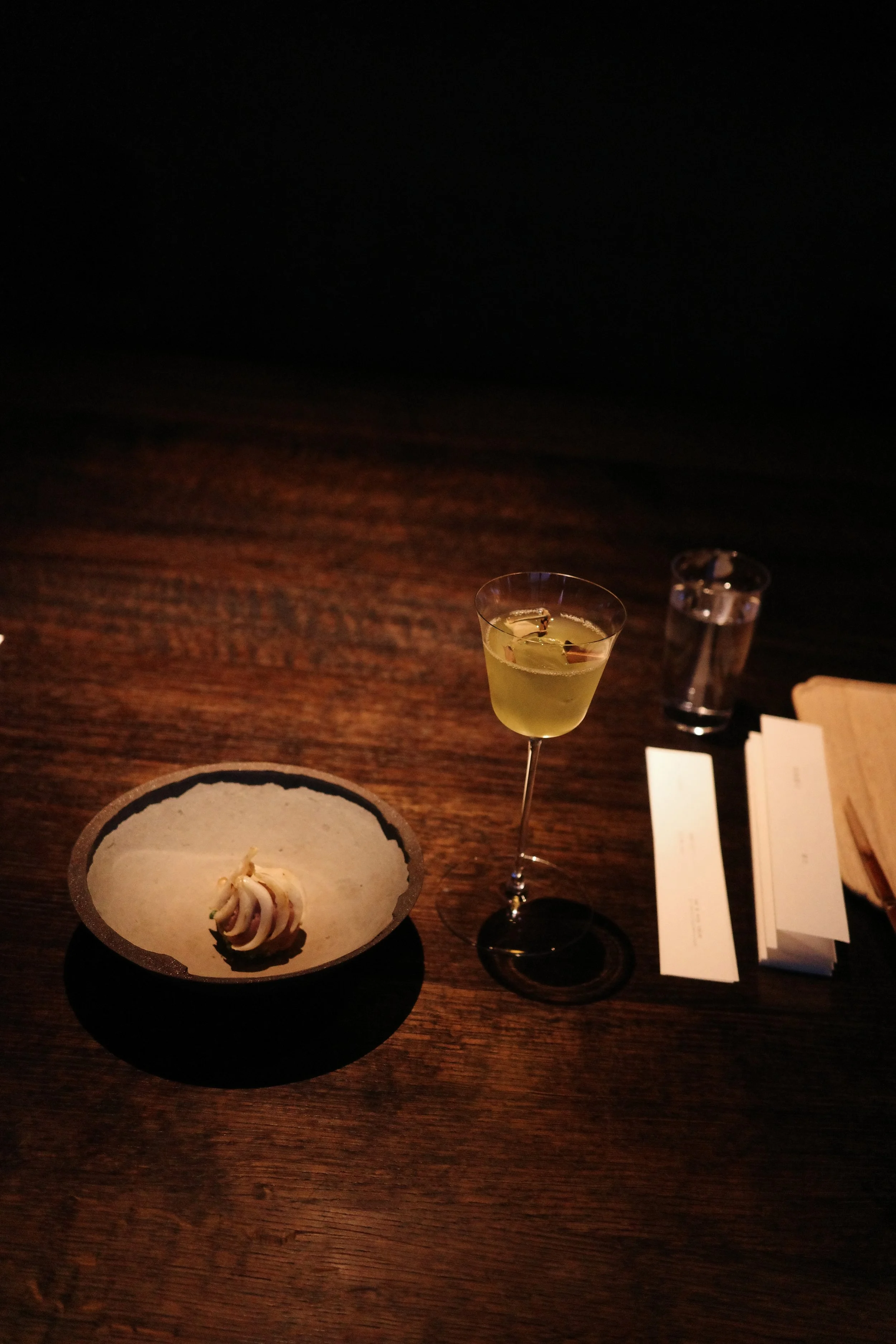
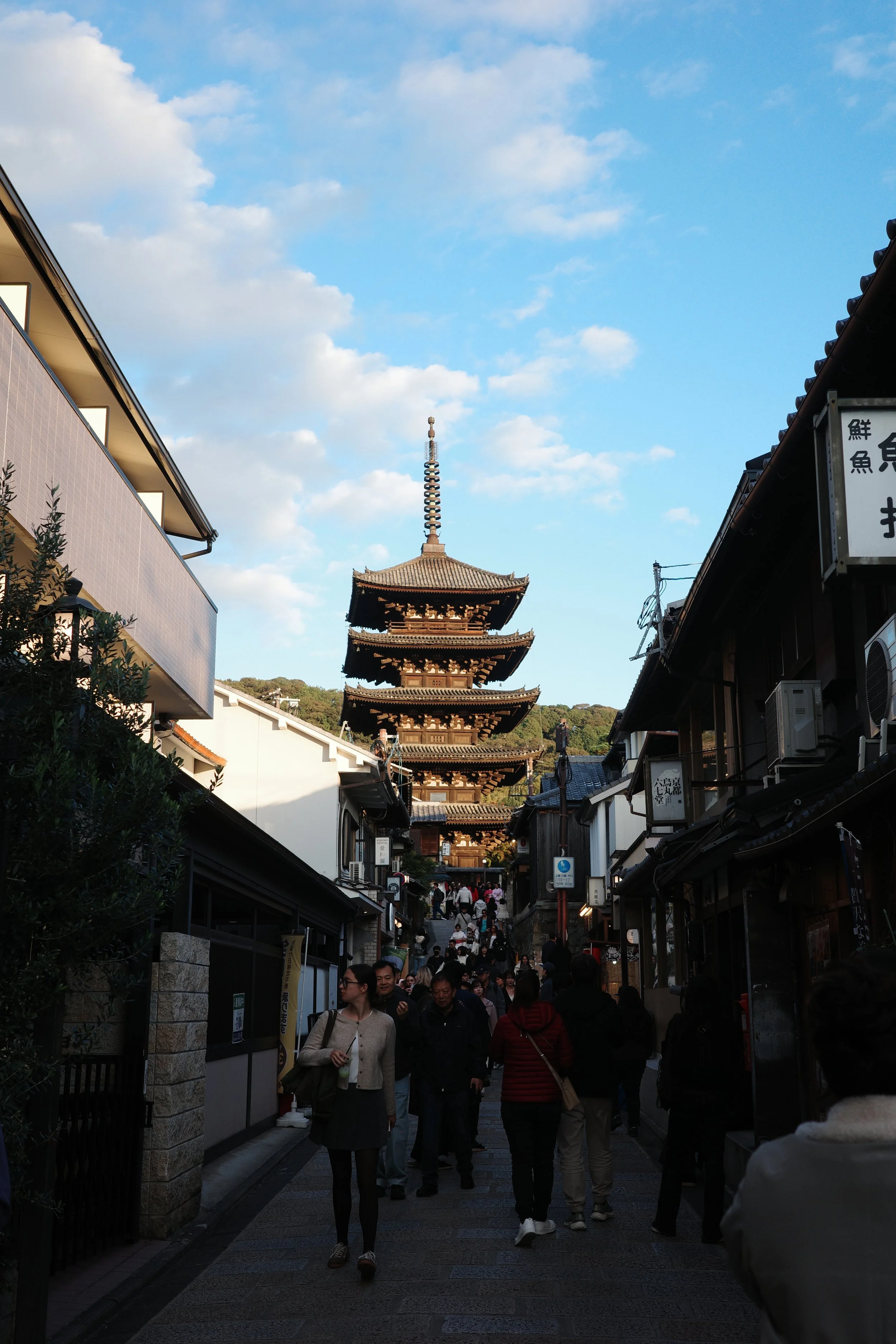
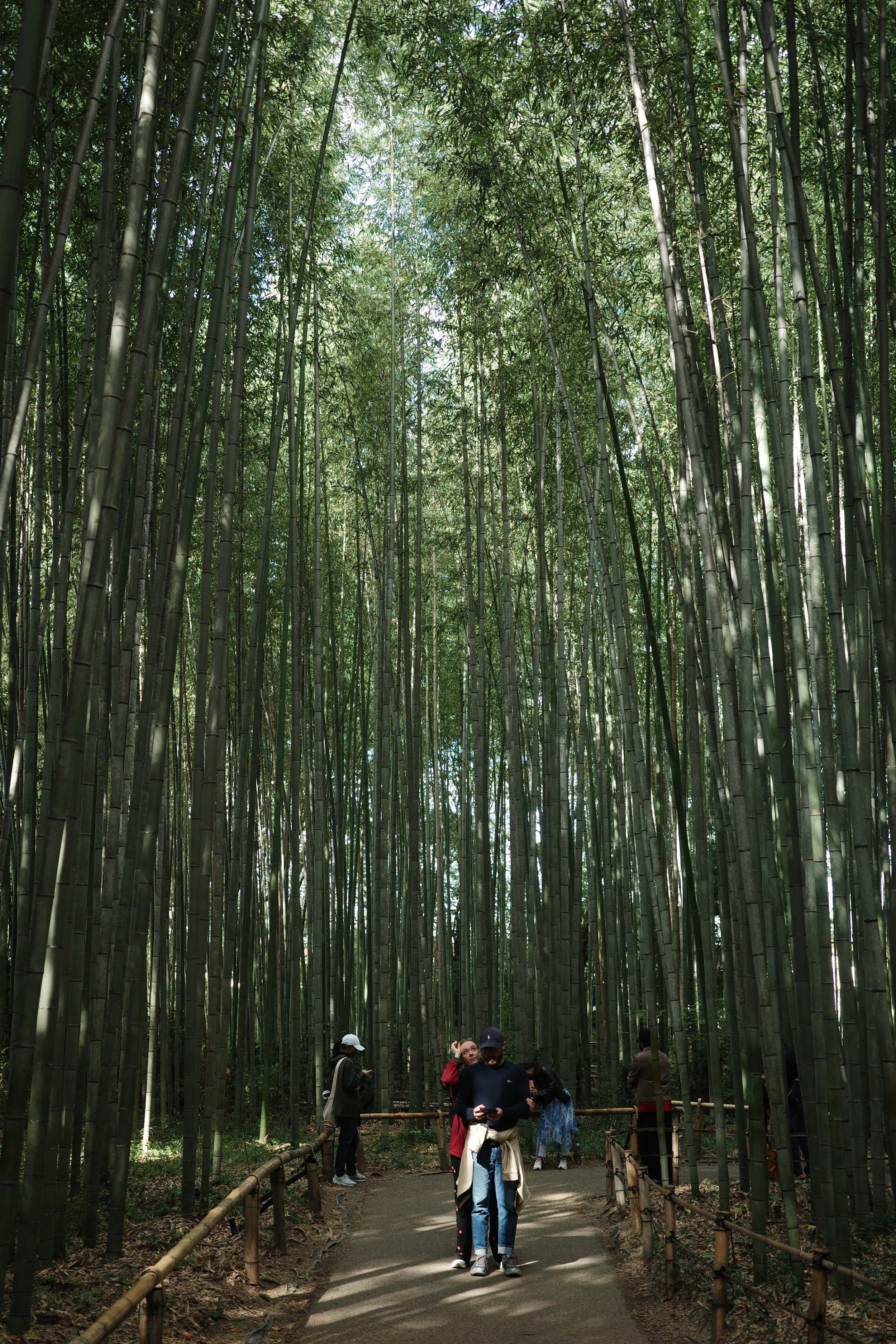
We stayed at Fauchon Hotel Kyoto, a French brand with a well-located property in the city. After checking in, we went straight to a tea experience in a restored machiya, a traditional Kyoto townhouse. It was a contemporary take on a tea ceremony, and you choose a pairing: tea, or a sake or gin version, served with seasonal wagashi, which are Japanese sweets. They looked beautiful. Afterward a guide walked us through Gion and explained the geisha and maiko tradition and what it means for the neighborhood.
The next day started late. We ate our way through Nishiki Market, a crowded, fun lane of about 100 stalls. Lunch was sweet potato, tempura, dumplings, and wagyu skewers.
In the afternoon we saw Gion Odori, a dance performance by the geiko and maiko of Gion Higashi. Geiko is the Kyoto word for geisha, and maiko are the apprentices. It runs only from November 1 to 10 at the Gion Kaikan Theater, and tickets are about 6,000 yen, or 7,000 yen with a tea ceremony beforehand. We went on the last day, which starts with a tea ceremony. That part was not our favorite, but then we moved to the theater for the one-hour show. It was a great bit of luck that our dates lined up, and it felt like a truly authentic performance.
Dinner was in Pontocho, a narrow, atmospheric street of tiny restaurants, some with just a counter and some overlooking the river. In May through October you can eat over the water. November is too cold.
On our free day, we each chose our own adventure: I climbed Fushimi Inari to the summit to get away from the crowds, then spent the afternoon at Six Senses Kyoto, with about 45 minutes in the bathhouse before a massage. Fushimi Inari is crowded until you climb higher, and the walk was not the meditative one I had pictured. I was glad I went once. My teammates split off too. One spent the day in Arashiyama. The other took the bullet train to Hiroshima, visited the Peace Museum, and then took an e-bike tour around the city. It gave all of us room to breathe.
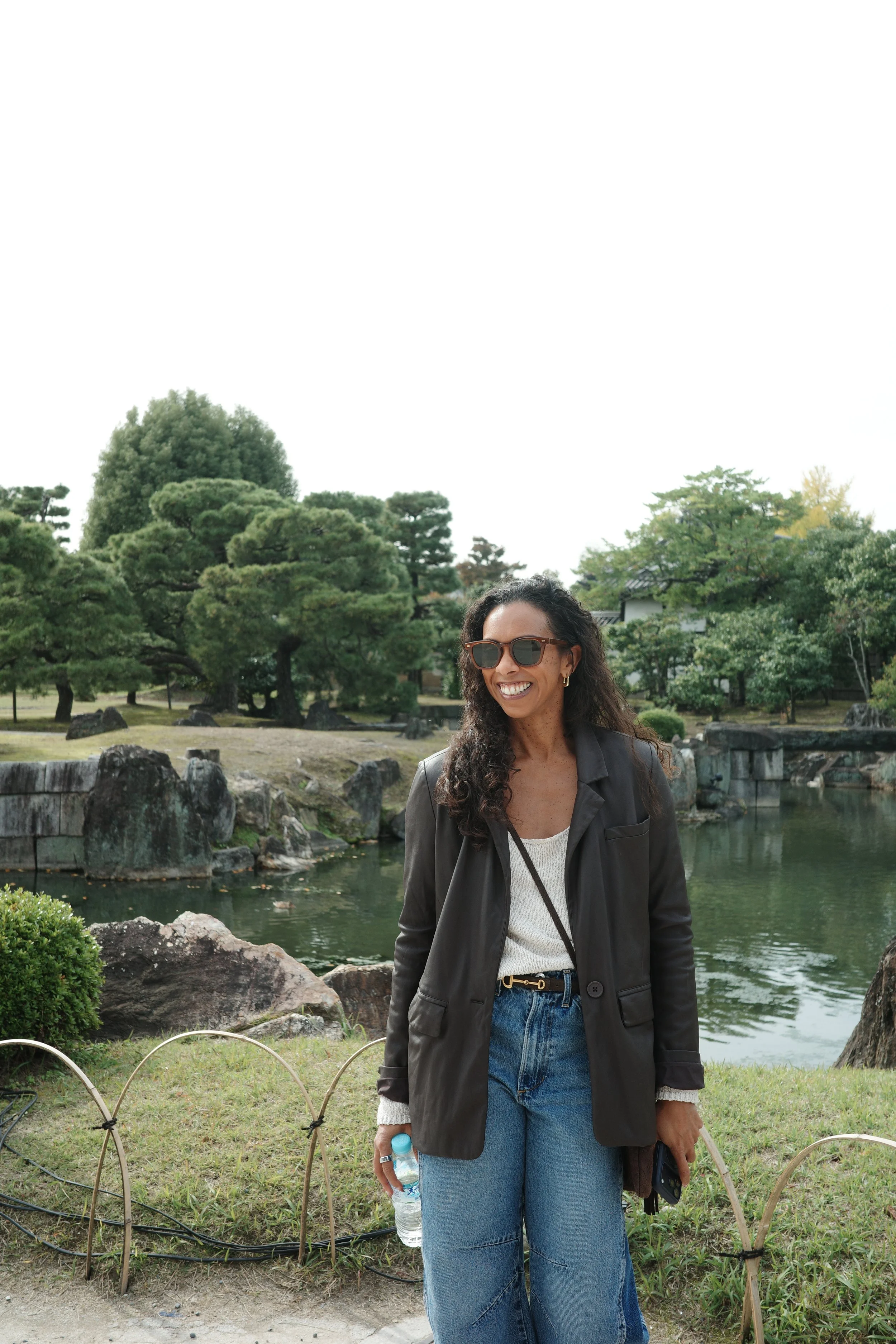
The next day was shopping. I had a ring made at Glanta, which I loved, and a teammate made a custom perfume. We stopped at Nijo Castle for an hour, which is easy on your own and nice, but not a must-do. We finished with a great soba lunch.
Our last dinner was at Itoh, and I loved it. The restaurant seats you either at the counter, where you watch the chefs cook, or at a table overlooking the river. You cannot choose, so you get one or the other. We chose the course option, and every course was phenomenal.
On our last morning I walked the Philosopher's Path by myself and stopped into a couple of temples along the way. It was a peaceful walk with the leaves just starting to change. That afternoon we took the Shinkansen from Kyoto back to Tokyo, and my flight home left at 6:30 pm.
What we'd keep, and what we'd change
We would keep the luggage forwarding, the driver in Hakone, the ryokan night, the private sushi class, and the free day in Kyoto. Each one removed something that wears people down.
We would change three things. End the first day after the sushi class and save the temples for later. Skip the Hakone loop and take a later train. And choose a food tour's neighborhood and guide with more care, or book a good dinner instead.
Japan is worth the effort. It just rewards the traveler who plans the quiet on purpose.
Hotels we toured along the way
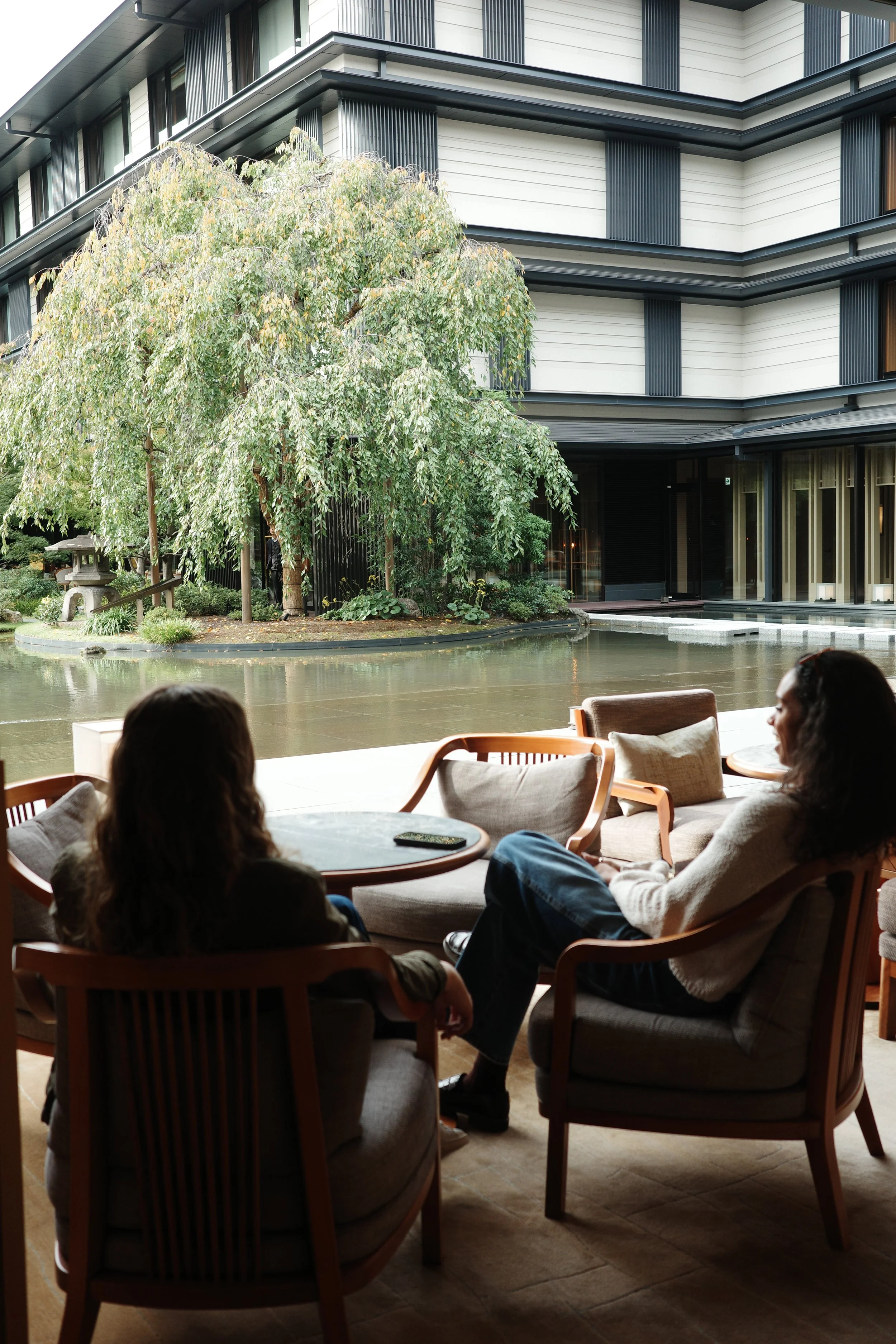
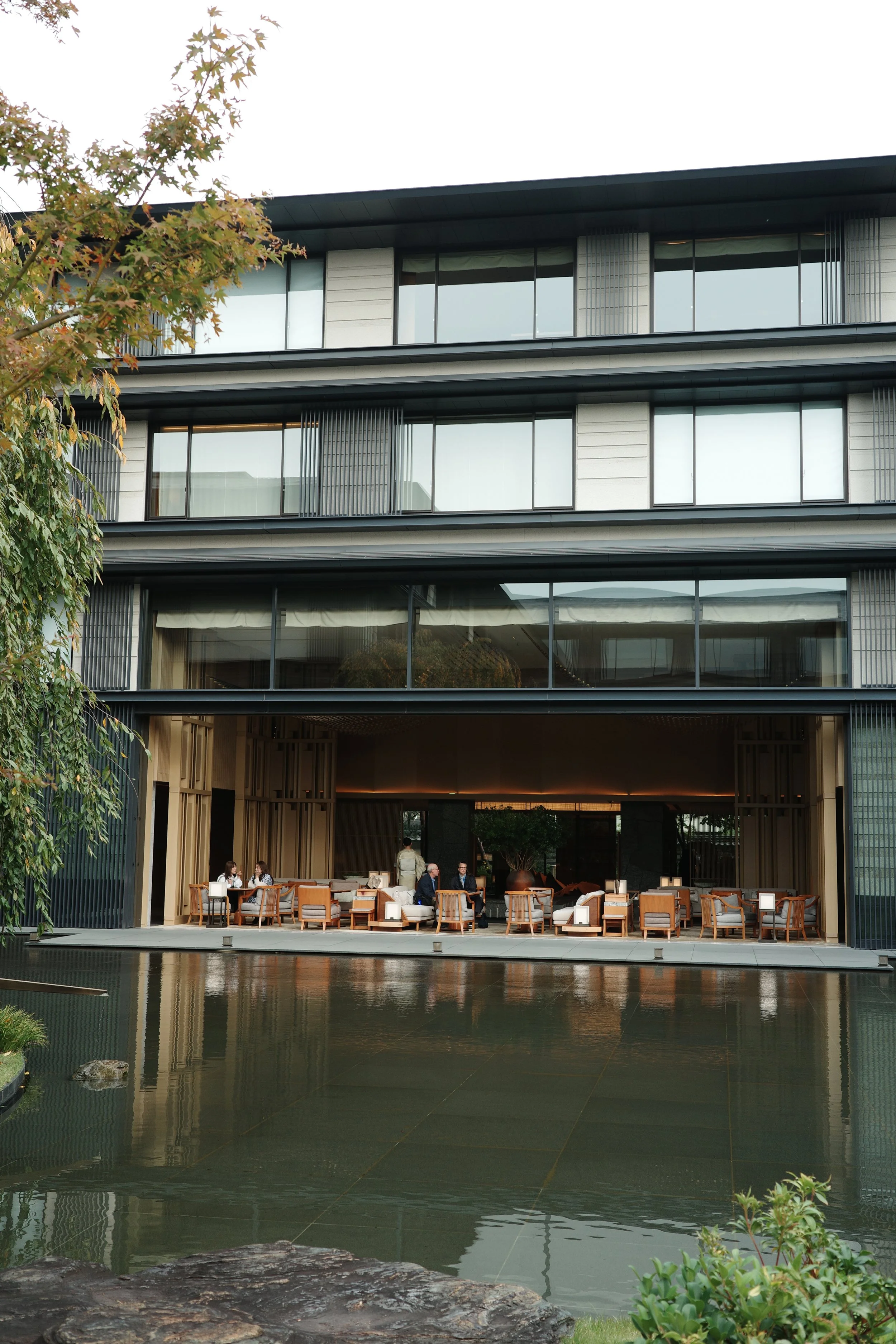
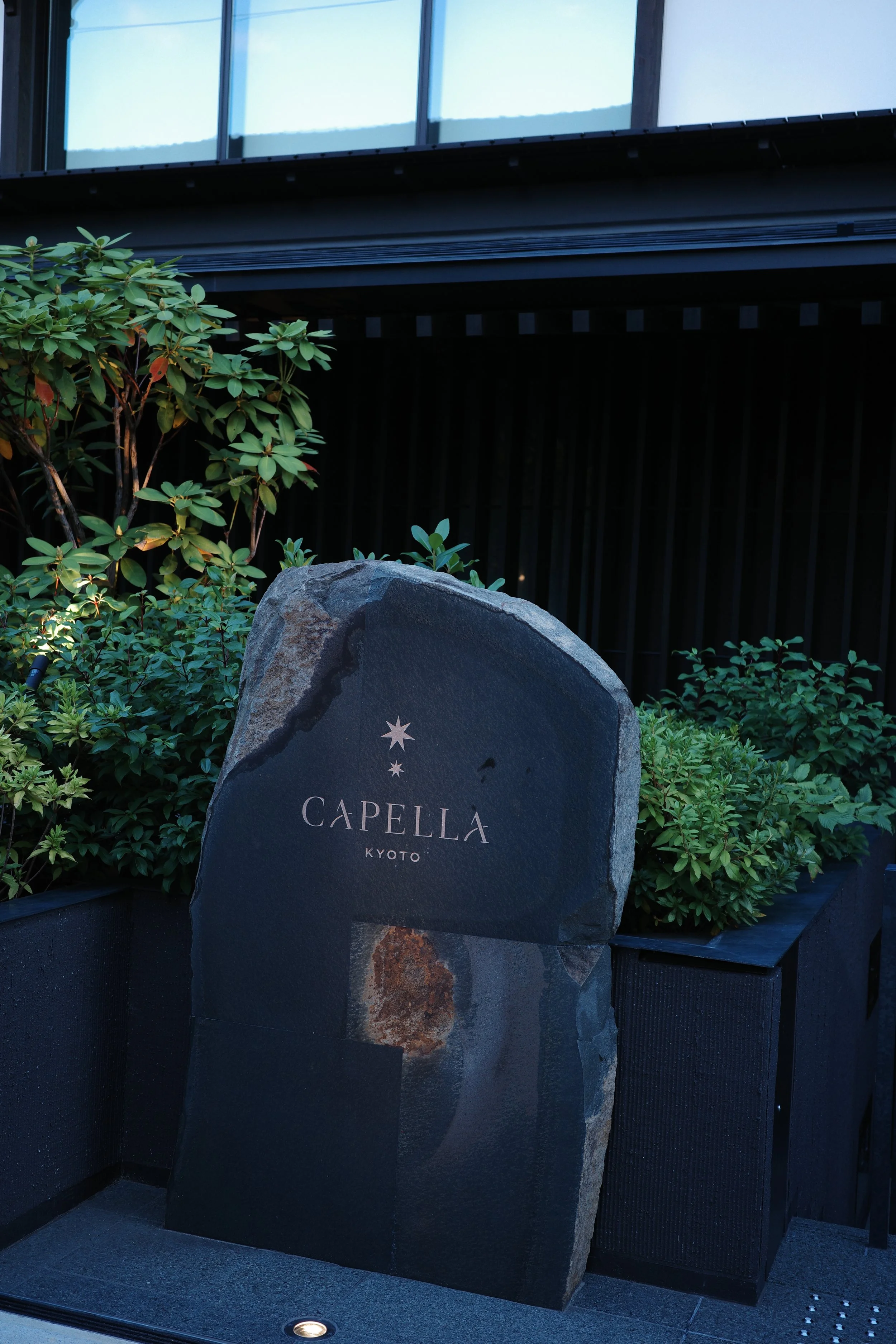
Part of our job on a trip like this is walking through hotels, so we saw a few in Kyoto. These are the three that stayed with me.
Capella Kyoto is stunning, and it opened this spring. It is at the top of my list for the best hotel in Kyoto. It is a great brand, and the location lets you stay close to the center of the city, which not every luxury property here can say. It is already popular with guests.
Sowaka is a small luxury hotel converted from a traditional machiya townhouse. The public spaces and rooms are beautiful, and it gives you a different sense of place than a typical Kyoto luxury hotel.
Hotel Mitsui Kyoto sits near Nijo Castle, a little outside the city center, so it suits people who are fine being slightly removed. It is a larger property with a boutique feel. I loved the design. It is also a Bonvoy property that is not advertised that way.
Ready for your own version?
Every route we plan starts with what you would protect if something had to give. If you want updates on trips like this one, join the list.
Join the list for monthly newsletter for trip ideas → sign-up here
Frequently Asked Questions
How many days do you need for Tokyo, Hakone and Kyoto?
Nine days is a comfortable fit. We did three nights in Tokyo, one in Hakone and four in Kyoto. You could do seven, but Kyoto is where people usually wish they had more time.
Is Hakone better as a day trip or an overnight?
Overnight, if you can. A ryokan night with a private onsen is the point of Hakone, and a day trip means the sightseeing loop with its crowds and lines. If you only have a day, plan a slow one.
Do you have to send luggage ahead in Japan?
You do not have to, but we recommend it. Forwarding from Tokyo to Kyoto usually costs about 3,200 yen per suitcase under 25 kg and arrives the next day. It also means no big bags on trains.
Is November a good time to visit Japan?
Yes, with a caveat. We went in early November and the weather was crisp and clear, but peak fall color had not arrived in Hakone or Kyoto yet. Expect peak color later, usually late November into early December.
What is Gion Odori?
Gion Odori is an autumn dance performance by the geiko and maiko of Gion Higashi at the Gion Kaikan Theater, running November 1 to 10. Online sales closed October 28 this year, so book ahead.
What should you do on a free day in Kyoto?
Choose a different pace from the rest of the trip. I hiked Fushimi Inari to the summit, where the crowds thin, and then spent the afternoon at the Six Senses spa. Teammates chose Arashiyama and a day trip to Hiroshima